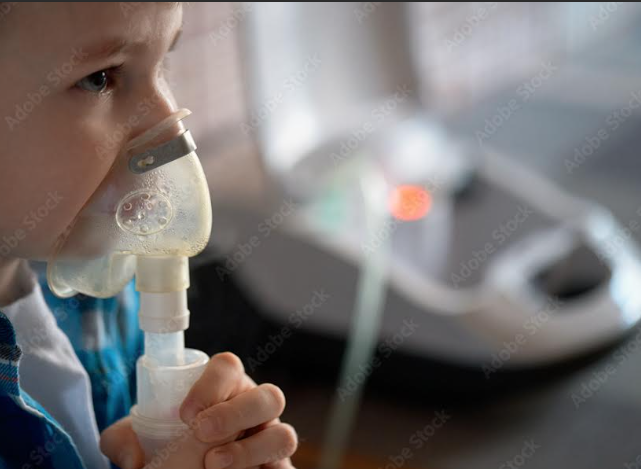
Hearing a wheezing sound while breathing can be worrying. Wheezing is a high-pitched whistling noise that occurs when air moves through narrowed or partially blocked airways. It is commonly associated with breathing problems and may occur when a person inhales, exhales, or both. Because wheezing is widely recognized as one of the common asthma symptoms, many people assume that anyone who wheezes must have asthma.
However, wheezing does not always mean asthma. While asthma is a frequent cause of lung wheezing, several other health conditions can also produce the same sound. Understanding what wheezing means and recognizing the possible causes can help people know when to seek medical care.
What Is A Wheezing Sound?
A wheezing sound is usually described as a musical or whistling noise during breathing. It occurs when the airways become narrowed due to inflammation, mucus buildup, or obstruction. When air struggles to pass through these tight passages, the vibration of the airway walls produces the wheezing noise. This symptom may occur occasionally or frequently, depending on the underlying cause.
Some people may experience wheezing only during respiratory infections or allergies, while others may have persistent breathing problems related to long-term lung conditions. In many cases, wheezing is accompanied by other symptoms such as coughing, chest tightness, or shortness of breath. If lung wheezing appears repeatedly or becomes more severe, it may indicate a deeper respiratory issue that requires medical attention.
Is Wheezing Always Caused By Asthma?
Asthma is one of the most common conditions linked to wheezing. It is a chronic respiratory disorder that causes inflammation and narrowing of the airways. When the airways tighten in response to triggers such as dust, pollen, cold air, exercise, or pollution, people may experience coughing, breathlessness, and lung wheezing. Although wheezing is a major sign of asthma, it should not be used alone to diagnose the condition.
Many people who experience wheezing may not actually have asthma. Doctors usually look for a combination of asthma symptoms, medical history, and lung function test results before confirming a diagnosis. Because wheezing can occur in many different situations, it is important to identify the exact cause rather than assuming it is always related to asthma.
Other Causes Of Wheezing
Wheezing can develop due to several respiratory or environmental factors. Some common causes include:
Respiratory Infections: Illnesses such as colds, bronchitis, or viral infections can temporarily narrow the airways and cause wheezing.
Allergic Reactions: Exposure to allergens like dust, pollen, or pet dander may irritate the airways and lead to breathing difficulty.
Chronic Lung Conditions: Certain long-term lung diseases can result in ongoing lung wheezing and discomfort.
Airway Obstruction: A small object, swelling, or mucus buildup can partially block the airway and produce a wheezing sound.
Smoking Or Pollution Exposure: Irritants in smoke or polluted air can inflame the airways and trigger breathing problems.
Because wheezing can result from many causes, it should not be ignored, especially if it happens repeatedly.
See also: A Step by Step Guide to Moving Homes Without the Headaches
Symptoms That May Indicate Asthma
When wheezing is related to asthma, it is usually accompanied by other asthma symptoms. These symptoms may appear during certain triggers or physical activity. Common signs include:
- Frequent coughing, particularly at night.
- Shortness of breath during exercise or daily activities.
- Tightness or pressure in the chest.
- Repeated episodes of breathing problems.
- Recurring lung wheezing that worsens with allergens or cold air.
Asthma symptoms often come and go, but they tend to recur over time. Recognizing these patterns can help doctors diagnose the condition more accurately.
When Should You See A Doctor?
Occasional wheezing during a mild infection may improve once the illness clears. However, persistent or severe wheezing should be evaluated by a healthcare professional. You should consider seeking medical advice if:
- Wheezing occurs frequently or lasts several days.
- Breathing becomes difficult or uncomfortable.
- Symptoms disturb sleep or daily activities.
- Wheezing appears suddenly without a clear cause.
- It is accompanied by chest tightness or severe coughing.
Early diagnosis helps identify the underlying cause and allows timely treatment, preventing further respiratory complications.
Diagnosis And Management
Doctors usually begin by reviewing the patient’s symptoms and medical history. They may listen to breathing sounds using a stethoscope and recommend additional tests to evaluate lung function. These tests help determine whether the wheezing is related to asthma or another respiratory condition.
Once the cause is identified, doctors can suggest appropriate asthma treatment in Coimbatore or other management approaches depending on the diagnosis. Proper care can help reduce symptoms, improve breathing, and support long-term lung health.
Conclusion
A wheezing sound during breathing can be concerning, but it does not always mean asthma. Wheezing occurs when the airways become narrowed, which can happen due to infections, allergies, airway irritation, or chronic lung conditions. Although wheezing is one of the well-known asthma symptoms, it should not be used alone to confirm the condition.
If lung wheezing or recurring breathing problems continue, seeking medical guidance is important. Consulting specialists at the best pulmonology hospital in Coimbatore can help identify the exact cause and provide the right asthma treatment in Coimbatore, ensuring better respiratory health and improved quality of life.