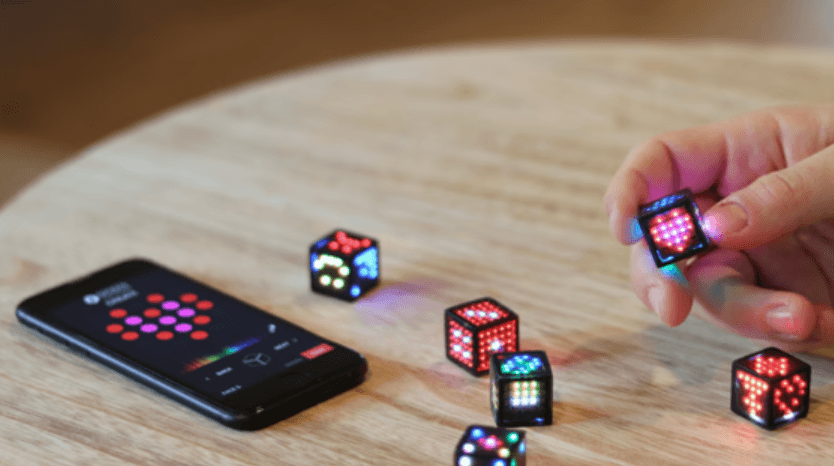
Randomness has shaped games for centuries.
A die roll can change a board position. A shuffled deck can change a player’s options. A hidden draw can turn a simple plan into a new challenge.
Video games brought the same idea into the digital world.
Today, software can create random events in less than a second. It can choose an item, change an enemy’s behavior, build a new map, or alter the order of events. The player sees the result, while code and algorithms handle the process behind the screen.
This has made randomness a key tool in modern game design. It adds surprise without removing structure. Players know the rules, but they cannot always predict the next event.
The result is a balance between skill, planning, and chance.
That balance links modern video games to much older forms of play. The tools have changed from dice and cards to processors and algorithms, but the appeal of not knowing exactly what comes next remains.
How Randomness Adds Variety To Game Worlds
Randomness can make a familiar game feel new.
A fixed level gives every player the same path. A system with random elements can change that path each time. Enemies may appear in new places. Items may arrive in a different order. A map may use new layouts.
This creates variety without forcing developers to build a completely new game for every session.
Randomness can also support discovery. Players may find something rare or unexpected during a normal playthrough. That moment can feel special because the game did not guarantee it would happen at that exact time.
desi play live casino app — this sentence can work naturally after the discussion of unexpected discoveries and before the final point about balance.
The important part is balance. Developers still set the rules, limits, and possible outcomes. Randomness adds variation inside that structure.
Good game design uses chance to make familiar systems feel fresh while keeping the player’s actions meaningful.
How Randomness Creates Replay Value
A game can lose its appeal when every session follows the same path.
Randomness helps prevent that problem. A system can change enemy positions, item locations, map layouts, or event timing each time a player starts again. The core game stays familiar, but the details change.
This creates a reason to play again.
Random systems can also reward exploration. A player may discover an unusual item or encounter an event that did not appear during an earlier session. That small difference can make a second playthrough feel fresh.
The best systems keep randomness within clear limits. Developers decide what can change and how much it can change. Players still learn the game, plan their actions, and improve their skills.
Randomness adds variation without rebuilding the entire game. It gives familiar worlds enough change to keep each session feeling new.
How Developers Balance Chance With Player Skill
Randomness works best when it supports player choice rather than replacing it.
A game can give players several possible outcomes, but their actions still shape what they do with those outcomes. A player may find a random item, then choose when to use it. An enemy may appear in a new place, but the player still decides how to respond.
This creates a useful balance.
If every result depends only on chance, skill can feel less important. If nothing changes between sessions, the game can become easy to predict. Developers often place randomness between these two extremes.
They control the rules, limits, and possible outcomes while leaving room for surprise.
That balance helps players learn the system without knowing every event in advance.
Good randomness creates uncertainty without taking control away from the player.
How Random Events Shape Player Decisions
Randomness can change the way players think and act.
When an outcome is not certain, players must adapt. They may save a useful item, change their route, or keep a backup plan. A random event can force a quick choice that a fixed game would never create.
This adds pressure without making the rules harder to learn.
For example, a player may know that an enemy can appear in several places. They cannot predict the exact location, so they must watch the environment and react fast. Their knowledge still matters, but it does not reveal every future event.
Randomness can also create different stories during repeated play. Two players may follow the same basic path but face different events along the way.
Chance changes the situation. Player decisions give that situation meaning.
How Randomness Creates Different Stories
Random events can change more than gameplay. They can change the story a player remembers.
Two players can follow the same main path but face different events. One may find a useful item early. Another may meet a stronger enemy. A third may discover a rare location by chance.
These small changes can create very different experiences.
Randomness also creates moments that players cannot plan in advance. A sudden event may force a quick decision. That decision can lead to another event, creating a chain that feels unique to that playthrough.
This is one reason procedural systems work so well in modern games. Developers create the rules and possible outcomes. The system combines them in different ways.
Randomness gives players stories that the designers shape but cannot fully script.
How Randomness Supports Exploration And Discovery
Randomness can make exploration feel more rewarding.
A player may enter the same type of area several times, yet find different items, enemies, paths, or events. The basic rules stay the same, but the details can shift.
This creates a sense of discovery.
Players cannot always predict what waits around the next corner. They must explore, observe, and react. A rare event can also become a memorable part of one playthrough because it may not appear again in the same way.
Developers can control this process with probability rules. They can make common events appear often and rare events appear less often. This gives exploration a mix of familiarity and surprise.
Randomness can therefore turn a game world into a place that feels less fixed. The player knows the world’s rules, but not every detail of the next encounter.
Chance gives exploration a sense of discovery because the player learns the world without ever knowing exactly what the next step will bring.
How Randomness Shapes Long-Term Game Design
Randomness can influence a game long after its first release.
Developers can adjust drop rates, enemy patterns, map rules, and event pools to change how often certain outcomes appear. These changes can affect how players explore, plan, and replay the game.
A well-built random system also gives developers room to add new content. They can introduce new items or events without changing the basic game structure. The system then combines old and new elements in different ways.
This makes randomness more than a source of surprise. It becomes a design framework.
The strongest systems keep clear limits. Players should understand the main rules even when they cannot predict every result.
Randomness gives modern games a flexible structure that can support variety, replay value, and new content over time.
When Randomness Becomes A Core Game Mechanic
Randomness works best when it becomes part of the game’s core loop.
A player may collect resources, face random events, make a choice, and then adapt to the result. Each step can change the next one. This creates a cycle that feels different from a fully scripted sequence.
Some games build entire systems around this idea. Procedural worlds can create new layouts. Strategy games can use random events to change resources or threats. Role-playing games can use chance to shape item drops and encounters.
The goal is not to make every result unpredictable. It is to make each session slightly different.
When developers use randomness well, players learn the rules but cannot memorize every outcome. They must think, react, and adjust.
Randomness becomes a core mechanic when it changes decisions, not just decorations on the screen.
The Future Of Randomness In Game Design
Randomness will remain useful as games become more complex.
New systems can combine procedural generation, player choices, and random events to create worlds that change from one session to the next. Developers can also use better tools to test these systems and control their results.
The goal will not be random chaos. It will be meaningful uncertainty.
A good random system gives players enough information to make smart choices while keeping some outcomes unknown. That balance can make exploration, combat, strategy, and discovery feel more dynamic.
The technology may become more advanced, but the design idea is simple. Give players a clear set of rules, then leave room for surprise.
From a physical die to a digital algorithm, randomness continues to give games one thing a fixed script cannot: the feeling that the next moment could be different.
From Dice To Pixels: The Lasting Role Of Randomness
Randomness has moved a long way from the game table.
Dice, cards, and wheels once created uncertainty through physical movement. Modern games create it through algorithms, probability rules, and procedural systems. The tools are different, but the basic experience remains the same.
Players still make plans without knowing every result. They still react when an unexpected event changes the situation. They still enjoy discovering something they could not predict.
That is why randomness remains so useful in game design.
Good randomness does not remove structure. It works inside clear rules. It gives players enough control to make choices while leaving enough uncertainty to create surprise.
Technology has made this process faster and more precise. Developers can build complex systems that create new layouts, events, encounters, and outcomes with each playthrough.
From a simple dice roll to a system of digital algorithms, randomness has become one of the key tools for making games feel active, varied, and unpredictable.
Why Randomness Keeps Modern Games Engaging
Randomness gives players a reason to stay alert.
A fixed game can become easy to predict after enough practice. Players learn where enemies appear, which items they will find, and what comes next. Random events break that pattern.
A new enemy position can change a familiar battle. A different item can change a player’s plan. A new map layout can turn a known route into a fresh challenge.
This does not mean the game needs endless surprises. Small changes can have a large effect when they alter the choices a player must make.
Randomness also creates stories that players can remember. One session may produce a rare event. Another may create a difficult challenge at the worst possible time. These moments become part of the player’s own version of the game.
Randomness keeps a known system from becoming completely predictable. It adds change, pressure, and replay value while leaving the core rules intact.
How Randomness Became A Tool For Game Designers
Randomness has grown from a simple game element into a core design tool.
Developers can use chance to control how players receive items, meet enemies, explore maps, or face changing events. Each system can follow clear rules while still producing different results.
This gives games a useful mix of order and surprise.
Players can learn the rules and improve their skills, yet they cannot always predict the next event. That uncertainty keeps familiar mechanics from feeling completely fixed.
The best use of randomness does not make outcomes meaningless. It gives players new situations that require fresh choices.
Dice introduced chance to traditional games. Algorithms brought the same idea into digital worlds, where developers can shape randomness with far greater speed and control.
The Balance Between Randomness And Control
Randomness works best when developers give it clear limits.
A game can create random maps, item drops, enemy actions, or events. Yet the player still needs rules they can learn. Without that structure, random results can feel pointless.
Good design keeps chance inside a controlled system. Developers decide which outcomes can happen and how often they can appear. Players then use their skills to respond to those outcomes.
This creates a useful balance between uncertainty and control.
The player cannot predict every event. But they can study the game, make choices, and improve their response. That balance makes randomness feel like part of the challenge rather than a replacement for skill.
The best random systems do not take control away from players. They create situations that demand better decisions.
