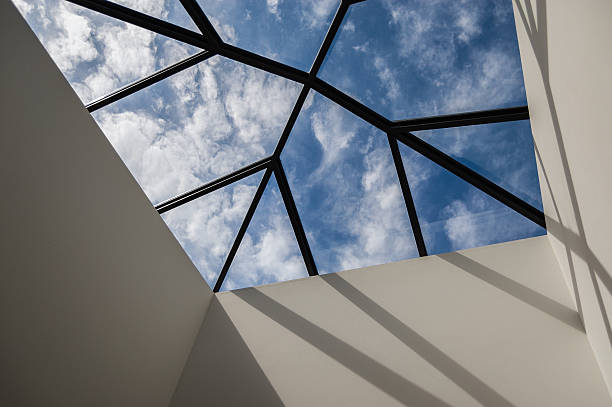
Selecting the right commercial rooflights is a crucial step in designing or upgrading any commercial property. From improving natural lighting to enhancing energy efficiency and ensuring compliance with building standards, the right rooflight solution can significantly impact overall building performance. Whether you’re planning to upgrade a warehouse, office, or retail space, understanding the different options available will help you make a smart decision when you buy commercial rooflights.
Understanding the Importance of Commercial Rooflights
Commercial buildings often require large, well-lit spaces to function efficiently. Natural daylight not only reduces reliance on artificial lighting but also creates a healthier and more productive environment. In warehouses, it improves visibility and safety. In offices, it boosts employee well-being and productivity. In retail spaces, it enhances product displays and customer experience. Investing in the right commercial rooflights ensures you achieve both functional and financial benefits over time.
Key Considerations Before You Buy Commercial Rooflights
Before choosing a specific type of rooflight, it’s important to assess your building’s requirements. Factors such as roof structure, insulation needs, ventilation, and compliance with regulations all play a role. For example, flat roofs may require different solutions compared to pitched roofs, while buildings with high occupancy may need ventilation or smoke control systems. Evaluating these elements ensures that when you buy commercial rooflights, you are selecting a solution that aligns with your operational needs and long-term goals.
Fixed Rooflights for Cost-Effective Daylighting
Fixed rooflights are among the most widely used commercial rooflights, particularly in industrial and warehouse environments. These non-opening units are designed purely to allow natural light into the building. They are cost-effective, low-maintenance, and offer excellent thermal performance due to their sealed design. Fixed rooflights are ideal for large spaces where ventilation is not a priority but consistent daylighting is essential. Their simplicity and durability make them a reliable choice for businesses looking to maximize efficiency without increasing maintenance requirements.
Opening Rooflights for Ventilation and Comfort
Opening rooflights provide both natural light and ventilation, making them a versatile option for commercial buildings. These rooflights can be operated manually or electronically, allowing users to control airflow as needed. They are especially suitable for offices and workspaces where indoor air quality and temperature control are important. By improving ventilation, opening rooflights contribute to a more comfortable environment, reducing the need for air conditioning and supporting energy efficiency. For businesses aiming to enhance occupant comfort, these commercial rooflights offer a practical and effective solution.
Polycarbonate Dome Rooflights for Durability
Polycarbonate dome rooflights are a popular choice in industrial and commercial settings due to their strength and affordability. Made from impact-resistant materials, these rooflights are designed to withstand harsh environmental conditions. Their dome shape allows for excellent light distribution, ensuring that interiors are evenly illuminated without excessive glare. This makes them particularly useful in warehouses and factories where consistent lighting is critical. Additionally, polycarbonate domes are lightweight and easy to install, making them a cost-efficient option for large-scale projects.
AOV Rooflights for Safety and Compliance
Automatic Opening Vent (AOV) rooflights are an essential component in many commercial buildings, particularly those that must meet strict fire safety regulations. These systems are designed to open automatically in the event of a fire, allowing smoke and heat to escape. This helps maintain clear evacuation routes and reduces risks to occupants. AOV rooflights are commonly used in offices, retail spaces, and public buildings where safety compliance is mandatory. While they may require a higher initial investment, their role in protecting lives and meeting legal requirements makes them indispensable in many commercial projects.
Choosing Rooflights for Warehouses
Warehouses typically require practical and durable lighting solutions that can cover large areas efficiently. Fixed rooflights and polycarbonate dome systems are often the best choices for these environments. They provide ample daylight, reduce energy costs, and require minimal maintenance. Since ventilation is usually less of a concern in warehouses, non-opening rooflights are often sufficient. Durability is also a key factor, as industrial environments demand materials that can withstand wear and tear over time.
Choosing Rooflights for Offices
Office environments require a balance between functionality, comfort, and aesthetics. Opening rooflights are particularly beneficial in these spaces as they provide both natural light and ventilation. This helps create a pleasant working environment that supports employee productivity and well-being. In some cases, AOV rooflights may also be necessary to meet safety regulations. By selecting the right combination of rooflights, businesses can create office spaces that are both efficient and inviting.
Choosing Rooflights for Retail Spaces
Retail spaces rely heavily on lighting to attract customers and showcase products effectively. Natural light enhances the visual appeal of a store, making it more inviting and comfortable for shoppers. Fixed rooflights can provide consistent illumination, while opening rooflights can improve air circulation. In larger retail environments, AOV systems may be required for safety compliance. Choosing the right commercial rooflights for retail spaces ensures a better customer experience and can even contribute to increased sales.
Energy Efficiency and Long-Term Benefits
One of the biggest advantages of installing commercial rooflights is the potential for long-term energy savings. By reducing the need for artificial lighting, businesses can significantly lower electricity costs. High-quality rooflights with advanced glazing options also improve insulation, helping maintain indoor temperatures and reducing heating and cooling expenses. Over time, these savings can offset the initial investment, making rooflights a cost-effective solution for commercial buildings.
See also: A Step by Step Guide to Moving Homes Without the Headaches
Installation and Maintenance Considerations
Proper installation is essential to ensure that rooflights perform as expected. Working with experienced professionals helps prevent issues such as leaks or poor insulation. Regular maintenance, including cleaning and inspections, also plays a role in maintaining performance and longevity. When you buy commercial rooflights, it’s important to choose products that come with warranties and reliable support, ensuring peace of mind and long-term value.
Making the Right Choice for Your Business
Choosing the right commercial rooflights involves more than just selecting a product—it requires understanding your building’s needs and matching them with the right features. Whether you need fixed units for a warehouse, opening systems for an office, or AOV rooflights for safety compliance, each option serves a specific purpose. By carefully evaluating your requirements, you can make an informed decision that enhances both performance and efficiency.
Conclusion
The right rooflighting solution can transform any commercial space, improving natural light, energy efficiency, and overall functionality. From warehouses to offices and retail environments, each setting benefits from a tailored approach to rooflight selection. When you buy commercial rooflights, focusing on quality, suitability, and long-term performance ensures the best results. By choosing wisely, businesses can create brighter, safer, and more efficient spaces that support their operational goals for years to come.
