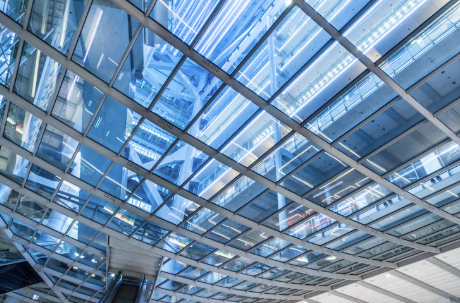
A flat glass rooflight is a sleek and contemporary glazing solution designed to bring natural daylight into interior spaces through flat or low-pitch roofs. Commonly used in both residential and commercial buildings, these rooflights have become increasingly popular due to their minimalist appearance, excellent thermal performance, and ability to enhance interior environments.
In this guide, we’ll explore what flat glass rooflights are, their benefits, design features, applications, and key factors to consider when choosing one.
What Is a Flat Glass Rooflight?
A flat glass rooflight is a glazed unit installed on a roof that sits flush or nearly flush with the roof surface. Unlike traditional dome rooflights, flat glass rooflights feature a clean, horizontal glass panel that blends seamlessly with modern architectural designs.
They are typically constructed using high-performance double or triple glazing, supported by a durable frame—often made from aluminum—to ensure strength, insulation, and longevity.
Key Benefits of Flat Glass Rooflights
1. Maximum Natural Light
Flat glass rooflights are designed to allow abundant natural light into interior spaces. Their large glazed surface area ensures even light distribution, making rooms feel brighter, more open, and more inviting.
2. Modern Aesthetic Appeal
One of the biggest advantages of flat glass rooflights is their minimalist design. Their flush finish creates a sleek, unobtrusive look that complements contemporary architecture.
3. Improved Energy Efficiency
High-quality flat glass rooflights often feature advanced glazing technologies such as low-emissivity coatings and thermal insulation layers. These features help retain heat during colder months and reduce heat gain in warmer conditions.
4. Enhanced Indoor Comfort
By increasing daylight exposure, flat glass rooflights can improve mood, productivity, and overall comfort. Natural light has also been linked to better well-being and reduced reliance on artificial lighting.
5. Durability and Weather Resistance
Flat glass rooflights are engineered to withstand harsh weather conditions, including heavy rain, wind, and UV exposure. Proper sealing and installation ensure they remain watertight and long-lasting.
Types of Flat Glass Rooflights
Fixed Flat Glass Rooflights
These are non-opening units designed purely for daylight entry. They are ideal for areas where ventilation is not required.
Opening Flat Glass Rooflights
These rooflights can be opened manually or electronically to provide both natural light and ventilation. They are suitable for spaces that require airflow, such as kitchens or living areas.
Walk-On Flat Glass Rooflights
Designed with reinforced glazing, these rooflights can support foot traffic. They are commonly used in terraces, balconies, or accessible roof spaces.
Triple Glazed Flat Rooflights
These offer superior thermal insulation and are ideal for energy-efficient buildings or regions with extreme weather conditions.
Common Applications
Flat glass rooflights are highly versatile and can be used in a variety of settings:
- Residential homes (kitchens, living rooms, hallways)
- Office buildings and commercial spaces
- Retail environments and showrooms
- Restaurants and hospitality venues
- Educational and healthcare facilities
They are particularly useful in spaces where traditional windows are limited or where maximizing daylight from above is beneficial.
See also: Matching Window Shutters with Different Home Decor Themes
Design and Performance Features
Glazing Quality
Most flat glass rooflights use toughened or laminated safety glass. Double or triple glazing improves insulation and reduces heat transfer.
Thermal Efficiency
Advanced glazing systems help maintain indoor temperatures, reduce energy consumption, and prevent condensation.
Frame Construction
Frames are typically made from thermally broken aluminum, which enhances insulation while maintaining structural strength.
Light Transmission
High-performance glass allows maximum daylight while minimizing glare and UV exposure.
Acoustic Insulation
Multi-layered glazing can also help reduce external noise, making interiors quieter and more comfortable.
Installation Considerations
Proper installation is critical to ensure optimal performance and longevity of flat glass rooflights. Key considerations include:
- Ensuring a watertight seal to prevent leaks
- Correct structural support for the roof opening
- Proper alignment for effective water drainage
- Compliance with building regulations and safety standards
Professional installation is highly recommended to avoid issues such as condensation, leaks, or thermal inefficiency.
Maintenance and Care
Flat glass rooflights are relatively low-maintenance, but regular upkeep helps maintain their performance:
- Clean the glass periodically to remove dirt and debris
- Inspect seals and joints for wear or damage
- Ensure drainage around the rooflight is clear
- Check for any cracks or structural issues
Routine maintenance helps extend the lifespan and keeps the rooflight looking and functioning at its best.
Advantages Over Traditional Rooflights
Compared to dome or polycarbonate rooflights, flat glass rooflights offer:
- A more modern and premium appearance
- Better optical clarity and light transmission
- Improved thermal and acoustic performance
- A seamless integration with contemporary roof designs
While they may come at a higher initial cost, their long-term benefits in efficiency and aesthetics often justify the investment.
Final Thoughts
Flat glass rooflights are an excellent choice for anyone looking to enhance natural lighting while maintaining a modern and elegant architectural style. Their combination of visual appeal, energy efficiency, durability, and performance makes them suitable for a wide range of applications.
Whether you’re designing a new building or upgrading an existing space, a flat glass rooflight can significantly improve the quality of your interior environment. By carefully selecting the right specifications and ensuring professional installation, you can enjoy brighter spaces, better energy efficiency, and long-lasting performance.
In modern architecture, where natural light and clean design are key priorities, flat glass rooflights continue to stand out as a smart and stylish solution.