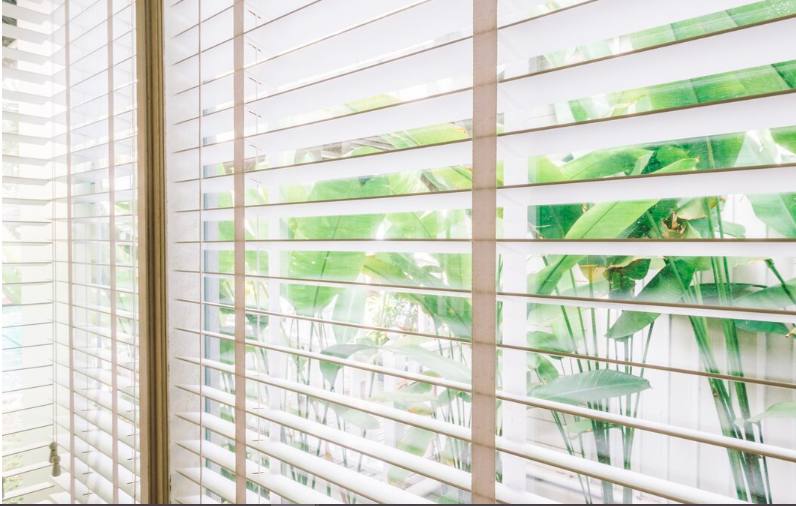
Window treatments play a defining role in shaping how a space feels, functions, and visually connects with the rest of the home. Among all options available today, window shutters stand out as one of the most versatile and timeless choices for homeowners seeking both beauty and practicality. They provide light control, privacy, insulation, and architectural character while seamlessly complementing a wide range of interior styles.
Choosing shutters is not only about measurements or materials. The real impact comes from matching them thoughtfully with your home decor theme. When shutters align with furniture, color palettes, textures, and architectural details, they enhance harmony throughout the space rather than appearing as an afterthought.
This guide explains how different shutter styles work with popular home decor themes, helping homeowners understand how design cohesion improves both aesthetics and everyday comfort.
Why Matching Window Shutters with Decor Matters
Interior design works best when every element supports a unified visual story. Windows naturally draw attention, so mismatched coverings can disrupt balance even in a well designed room.
Properly matched shutters offer several advantages:
- Create visual continuity between walls, furniture, and architectural features
- Enhance natural lighting without overwhelming the space
- Reinforce the identity of a specific decor style
- Increase perceived property value through cohesive design
- Provide timeless appeal that adapts to evolving trends
Shutters function as both decorative and structural elements, making them more influential than curtains or temporary window treatments.
Understanding the Main Types of Window Shutters
Before exploring decor themes, it helps to understand the most common shutter styles and how they influence design.
Plantation Shutters
Plantation shutters feature wide louvers that allow adjustable light control and airflow. They suit modern, coastal, and transitional interiors due to their clean lines.
Key characteristics:
- Wide slats for maximum light management
- Bright and airy appearance
- Works well in large windows and open layouts
Traditional Interior Shutters
These shutters have narrower louvers and classic detailing, often associated with heritage homes.
Common features:
- Elegant symmetry
- Decorative framing options
- Ideal for classic interiors
Café Style Shutters
Installed on the lower portion of windows, café shutters allow privacy while keeping upper areas open for sunlight.
Best suited for:
- Kitchens and dining areas
- Urban homes needing privacy without darkness
- Casual and European inspired spaces
Solid Panel Shutters
Solid shutters fully cover windows and create strong architectural presence.
Benefits include:
- Excellent insulation
- Dramatic aesthetic impact
- Perfect for period or rustic homes
Matching Window Shutters with Modern Decor
Modern interiors prioritize simplicity, clean geometry, and uncluttered spaces. Shutters in these environments should enhance minimalism rather than compete with it.
Design Principles for Modern Spaces
Modern decor focuses on balance and functionality. Window shutters should appear integrated into the architecture.
Recommended approaches:
- Choose neutral colors such as white, gray, or matte black
- Opt for wide louvers for a streamlined look
- Avoid ornate frames or heavy detailing
- Use smooth finishes instead of textured surfaces
Plantation shutters often work best because they align with modern emphasis on openness and natural light.
Material Suggestions
- Composite shutters for durability and sleek finish
- Painted wood for subtle warmth
- Moisture resistant materials for contemporary kitchens and bathrooms
The goal is visual simplicity that supports the room’s overall calm atmosphere.
Pairing Shutters with Traditional Home Decor
Traditional interiors celebrate symmetry, craftsmanship, and timeless elegance. Shutters should reflect refinement and historical character.
Features That Complement Traditional Design
- Neutral or warm painted finishes
- Decorative frames or molding details
- Balanced panel proportions
Ideal color choices include:
- Cream tones
- Soft whites
- Natural wood stains
These colors echo traditional furniture and architectural trim often found in classic homes.
Styling Considerations
- Align shutter panels with window divisions for symmetry
- Coordinate finishes with crown molding and baseboards
- Maintain consistent shutter style throughout connected rooms
Traditional spaces benefit from shutters that appear original to the home’s architecture.
Shutters for Minimalist Interiors
Minimalist design removes visual excess and emphasizes intentional living. Every element must serve a clear purpose.
How Shutters Support Minimalism
Window shutters can replace layered window treatments, reducing visual clutter while maintaining functionality.
Best practices include:
- Select flat finishes without visible grain patterns
- Use hidden tilt rods for cleaner lines
- Stick to monochromatic color schemes
- Match shutters closely to wall colors
Minimalist interiors often benefit from shutters that blend into the background rather than stand out.
Coastal and Beach Inspired Decor
Coastal interiors aim to evoke relaxation, brightness, and connection to nature. Shutters play an essential role in controlling sunlight while enhancing breezy aesthetics.
Ideal Shutter Characteristics
- White or soft pastel finishes
- Wide louvers for maximum daylight
- Lightweight appearance
Popular combinations include:
- White shutters with light blue walls
- Sandy beige tones paired with natural textures
- Driftwood inspired finishes
Plantation shutters naturally align with coastal decor because they mimic seaside architectural traditions.
Farmhouse Style and Rustic Interiors
Farmhouse decor combines comfort, warmth, and handcrafted charm. Shutters should feel authentic and slightly textured rather than polished.
Design Elements That Work Well
- Natural wood shutters or distressed finishes
- Earthy color palettes
- Visible grain patterns
Recommended options:
- Solid panel shutters for rustic authenticity
- Warm stained wood tones
- Matte painted finishes instead of glossy coatings
These choices complement exposed beams, vintage furniture, and cozy textiles commonly found in farmhouse homes.
Industrial Decor and Urban Spaces
Industrial interiors highlight raw materials such as metal, concrete, and exposed brick. Shutters can soften the environment while maintaining an edgy aesthetic.
See also: Tile Roof Maintenance: What Homeowners Often Overlook
Choosing the Right Shutters
- Dark tones such as charcoal or black
- Simple panel designs
- Minimal decorative features
Material ideas:
- Composite shutters with matte finishes
- Dark stained wood for contrast against brick walls
Industrial spaces benefit from shutters that add structure without appearing overly decorative.
Scandinavian Decor and Light Focused Design
Scandinavian interiors emphasize natural light, comfort, and simplicity. Window treatments must support brightness while maintaining privacy.
Key Shutter Features for Scandinavian Homes
- Bright white or soft neutral shades
- Slim frames and uncluttered profiles
- Smooth matte finishes
Design tips:
- Keep shutters fully open during daytime to maximize light
- Pair with light wood flooring and neutral textiles
- Avoid heavy colors that reduce visual openness
Shutters enhance Scandinavian design by reinforcing calm and airy interiors.
Transitional Decor and Flexible Styling
Transitional design blends traditional warmth with modern simplicity. Shutters must balance both influences without leaning too strongly in either direction.
Recommended Choices
- Mid sized louvers
- Neutral tones such as warm white or greige
- Subtle detailing without ornamentation
Benefits of shutters in transitional spaces:
- Adaptability to changing decor trends
- Timeless appearance
- Easy coordination with mixed furniture styles
This style offers the most flexibility for homeowners who update interiors periodically.
Choosing Colors that Complement Decor Themes
Color selection plays a crucial role in matching shutters with interiors.
Neutral Colors
Neutral shutters work across nearly all decor themes.
Advantages include:
- Long lasting visual appeal
- Easy coordination with wall repainting
- Increased resale appeal
Popular neutral options:
- Pure white
- Off white
- Soft gray
- Beige tones
Bold or Contrasting Colors
In some design themes, shutters can become focal points.
Use bold colors when:
- Windows are architectural highlights
- Walls are neutral and minimal
- Design calls for contrast or drama
Balance is essential to avoid overwhelming the space.
Material Selection Based on Interior Style
Different materials influence both appearance and performance.
Wood Shutters
Best suited for:
- Traditional interiors
- Farmhouse decor
- Transitional spaces
Benefits:
- Natural warmth
- Custom finishing options
- Timeless appeal
Composite Shutters
Ideal for:
- Modern homes
- High humidity areas
- Minimalist interiors
Advantages:
- Moisture resistance
- Easy maintenance
- Consistent finish
Vinyl Shutters
Commonly used in practical spaces where durability is prioritized over decorative detail.
Coordinating Shutters with Room Elements
Matching shutters involves more than choosing style alone. Coordination with surrounding elements creates cohesion.
Consider aligning shutters with:
- Flooring tones
- Wall paint colors
- Furniture finishes
- Architectural trim
- Lighting fixtures
Consistency across these elements prevents visual fragmentation.
Common Mistakes When Matching Window Shutters
Avoiding design errors ensures shutters enhance rather than detract from interiors.
Common issues include:
- Choosing overly decorative shutters for minimalist spaces
- Ignoring existing architectural style
- Mixing too many finishes in one room
- Selecting colors that clash with flooring or trim
- Installing mismatched shutter styles across visible areas
Planning with the full room context in mind leads to better results.
How Lighting Influences Shutter Selection
Natural light changes how colors and textures appear throughout the day.
Important considerations:
- Bright rooms benefit from adjustable louvers for glare control
- Dark rooms require lighter shutter finishes
- North facing windows often look better with warm tones
- South facing spaces handle darker colors more easily
Shutters allow precise light management, making them especially useful in multi purpose living areas.
Long Term Design Benefits of Well Matched Shutters
Unlike trend driven decor elements, shutters offer longevity when chosen thoughtfully.
Long term advantages include:
- Consistent style even after furniture updates
- Improved insulation and energy efficiency
- Enhanced architectural character
- Reduced need for frequent window treatment replacement
Because shutters integrate directly with windows, they become a permanent design feature rather than temporary decor.
Conclusion
Matching window shutters with different home decor themes requires understanding both functional needs and aesthetic goals. From modern minimalism to rustic farmhouse charm, shutters adapt to virtually every interior style when chosen carefully.
The key lies in balancing material, color, and design details with the overall character of the home. When shutters complement architecture, lighting, and furnishings, they unify the entire living environment while providing lasting practicality.
Thoughtful coordination transforms shutters from simple window coverings into defining design elements that support comfort, beauty, and visual harmony across every room.