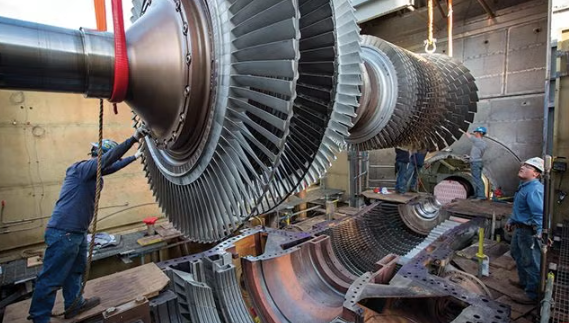
In modern power generation, gas turbines are among the most valuable and complex assets. Keeping them operating efficiently requires a strategic approach to maintenance, repairs, and part replacement. One of the most important decisions plant operators face is choosing between refurbished industrial gas turbine capital components and refurbished industrial gas turbine capital consumables.
While both play essential roles in turbine performance, they differ significantly in terms of cost, lifecycle, maintenance needs, and procurement strategies. Understanding these differences helps power plants make smarter, more cost-effective decisions while maintaining reliability and efficiency.
This guide breaks down everything you need to know.
Understanding the Basics
Before diving into comparisons, it’s important to define what each category includes.
What Are Capital Components?
Refurbished industrial gas turbine capital components are high-value, critical parts that form the core structure and functionality of the turbine. These components are typically expensive, engineered for long-term use, and integral to overall system performance.
Examples include:
- Rotors
- Turbine blades and vanes
- Casings
- Shafts
- Combustion chambers
These parts are designed to last for extended periods but require periodic refurbishment due to wear and exposure to extreme operating conditions.
What Are Capital Consumables?
Refurbished industrial gas turbine capital consumables, on the other hand, are parts that experience more frequent wear and are replaced more often. While still important, they are generally lower in cost and have shorter lifespans.
Examples include:
- Seals
- Gaskets
- Bearings
- Filters
- Fasteners
Consumables support the turbine’s operation but are not typically considered long-term structural components.
Key Differences Between Capital Components and Consumables
Understanding the distinction between these two categories is essential for effective maintenance planning and budgeting.
1. Cost and Investment
Capital Components:
These are high-cost items that require significant investment. Even when refurbished, they represent a major portion of maintenance budgets. However, refurbishment can reduce costs substantially compared to buying new parts.
Consumables:
Consumables are relatively inexpensive on an individual basis. However, their frequent replacement can add up over time, making them a recurring operational expense.
Takeaway:
Capital components = high upfront cost, lower frequency
Consumables = lower cost, higher frequency
2. Lifecycle and Durability
Capital Components:
Designed for long-term use, these parts can last for years with proper maintenance and periodic refurbishment. Their lifecycle is typically tied to major inspection intervals.
Consumables:
Consumables have shorter lifecycles and are often replaced during routine maintenance or minor outages. Their wear rate is significantly higher due to constant friction, pressure, and environmental exposure.
Takeaway:
Capital components support long-term operation, while consumables ensure day-to-day reliability.
3. Maintenance Strategy
Capital Components:
Maintenance for capital components is planned and strategic. It often involves:
- Scheduled outages
- Detailed inspections
- Advanced refurbishment processes
Because of their importance, these components require careful lifecycle management.
Consumables:
Consumables are managed through routine maintenance schedules. They are typically replaced as part of preventive maintenance programs to avoid unexpected failures.
Takeaway:
Capital components require long-term planning; consumables require consistent monitoring and replacement.
4. Downtime Impact
Capital Components:
Failure of a capital component can result in significant downtime, costly repairs, and potential safety risks. That’s why refurbishment and proactive maintenance are critical.
Consumables:
While less critical individually, failure of consumables can still disrupt operations if not addressed promptly. For example, a worn seal can lead to leaks and efficiency losses.
Takeaway:
Capital component failure = major downtime
Consumable failure = minor but potentially cascading issues
5. Refurbishment Complexity
Capital Components:
Refurbishing these parts is a complex, highly technical process involving:
- Precision machining
- Welding and material restoration
- Advanced coatings
- Rigorous testing
Consumables:
Refurbishment for consumables is generally simpler, and in some cases, replacement may be more cost-effective than refurbishment.
Takeaway:
Capital components require specialized refurbishment; consumables are often replaced or lightly restored.
Why Refurbishment Matters for Both Categories
Refurbishment is not just a cost-saving measure—it’s a strategic approach to asset management.
Benefits for Capital Components:
- Significant cost savings compared to new parts
- Extended operational life
- Restoration to OEM-level performance
- Reduced capital expenditure
Benefits for Consumables:
- Lower recurring costs when refurbishment is viable
- Improved availability of critical spares
- Reduced waste and environmental impact
By leveraging refurbished industrial gas turbine capital components and consumables, power plants can optimize both performance and budget.
Cost Impact: Short-Term vs Long-Term
A key factor in decision-making is understanding how each category affects costs over time.
Capital Components:
- High upfront refurbishment cost
- Long-term savings due to extended lifespan
- Lower frequency of replacement
Consumables:
- Low upfront cost
- Higher cumulative cost due to frequent replacement
- Ongoing operational expense
Strategic Insight:
Balancing both categories is essential. Investing in refurbished capital components reduces major expenses, while efficient consumable management controls day-to-day costs.
Lifecycle Management Strategies
Effective turbine operation depends on managing both capital components and consumables strategically.
1. Predictive Maintenance
Using data and monitoring tools, operators can predict when parts will need refurbishment or replacement. This approach minimizes unexpected failures and improves planning.
See also: Future of Ethical Technology
2. Inventory Optimization
Maintaining the right inventory of refurbished industrial gas turbine capital consumables ensures quick replacement during maintenance activities, reducing downtime.
For capital components, having access to refurbished spares can significantly shorten outage durations.
3. Scheduled Outages
Capital components should be inspected and refurbished during planned outages. This allows for thorough maintenance without disrupting operations unexpectedly.
4. Supplier Partnerships
Working with reliable refurbishment providers ensures consistent quality and availability of both capital components and consumables.
Applications in Power Plants
Both categories are essential across different types of power plants:
Base Load Power Plants:
- Rely heavily on durable capital components
- Use consumables for ongoing maintenance
Peaker Plants:
- Require quick turnaround times
- Benefit from readily available refurbished components and consumables
Combined Cycle Plants:
- Demand high efficiency
- Require balanced management of both component types
How to Choose Between Refurbishment and Replacement
Not every part should be refurbished. Decision-making depends on several factors:
Choose Refurbishment When:
- The component is structurally sound
- Cost savings are significant
- OEM performance can be restored
- Lead times for new parts are long
Choose Replacement When:
- The part is severely damaged
- Refurbishment is not cost-effective
- Upgrades or design improvements are needed
For consumables, replacement is often the default choice, but refurbishment may be viable in certain cases.
Common Challenges and How to Overcome Them
1. Quality Concerns
Solution: Work with certified providers who follow strict testing and quality assurance processes.
2. Supply Chain Delays
Solution: Maintain a stock of critical consumables and access to refurbished capital components.
3. Budget Constraints
Solution: Prioritize refurbishment for high-cost capital components to maximize savings.
The Role of Sustainability
Refurbishment supports sustainability by reducing waste and conserving resources. Reusing capital components minimizes the need for new manufacturing, while managing consumables efficiently reduces environmental impact.
As power plants move toward greener operations, refurbishment strategies will play an increasingly important role.
Conclusion
Understanding the difference between refurbished industrial gas turbine capital components and refurbished industrial gas turbine capital consumables is essential for efficient power plant operations.
Capital components represent long-term investments that require strategic planning, while consumables ensure smooth day-to-day functioning through regular replacement. Both are critical, and both benefit from refurbishment when applied appropriately.
By adopting a balanced approach—leveraging refurbishment for high-value components and optimizing consumable management—power plants can reduce costs, improve reliability, and extend the life of their turbine systems.
In today’s competitive and cost-conscious energy landscape, making informed decisions about these components isn’t just beneficial—it’s essential for long-term success.
